
8.190,00 €
incl. VAT (differential taxation according to §25a UStG.) free Shipping Costs
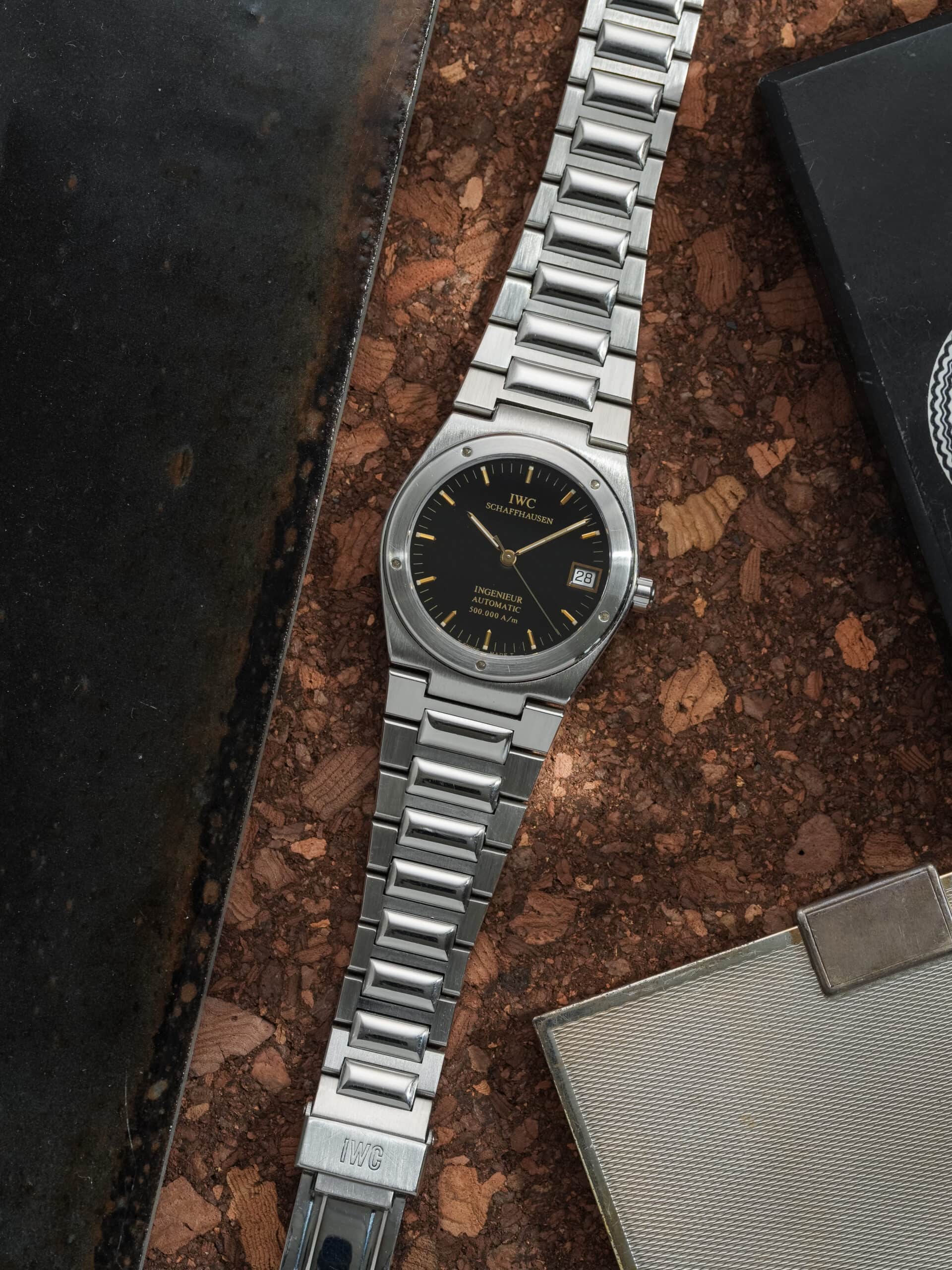
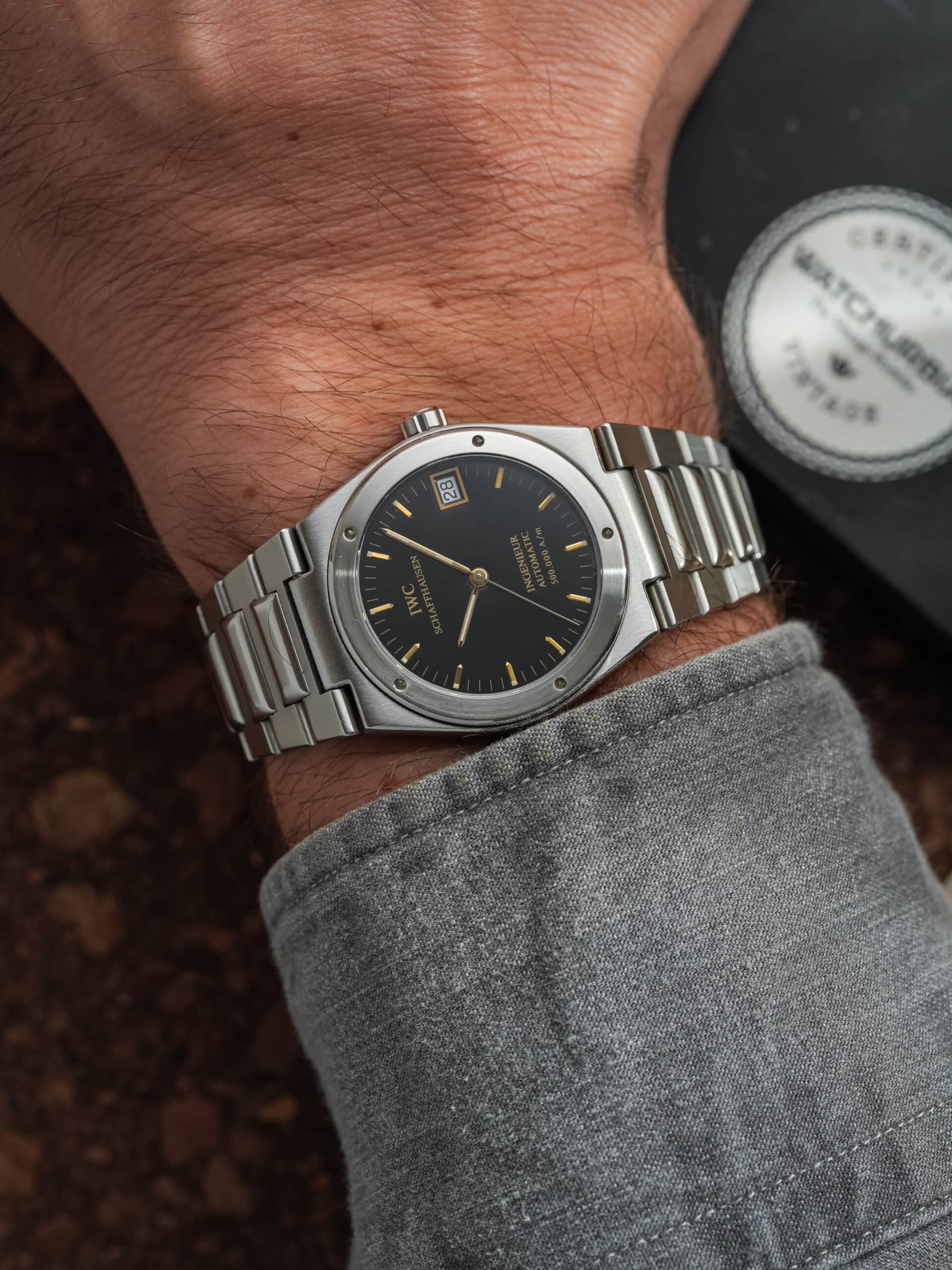
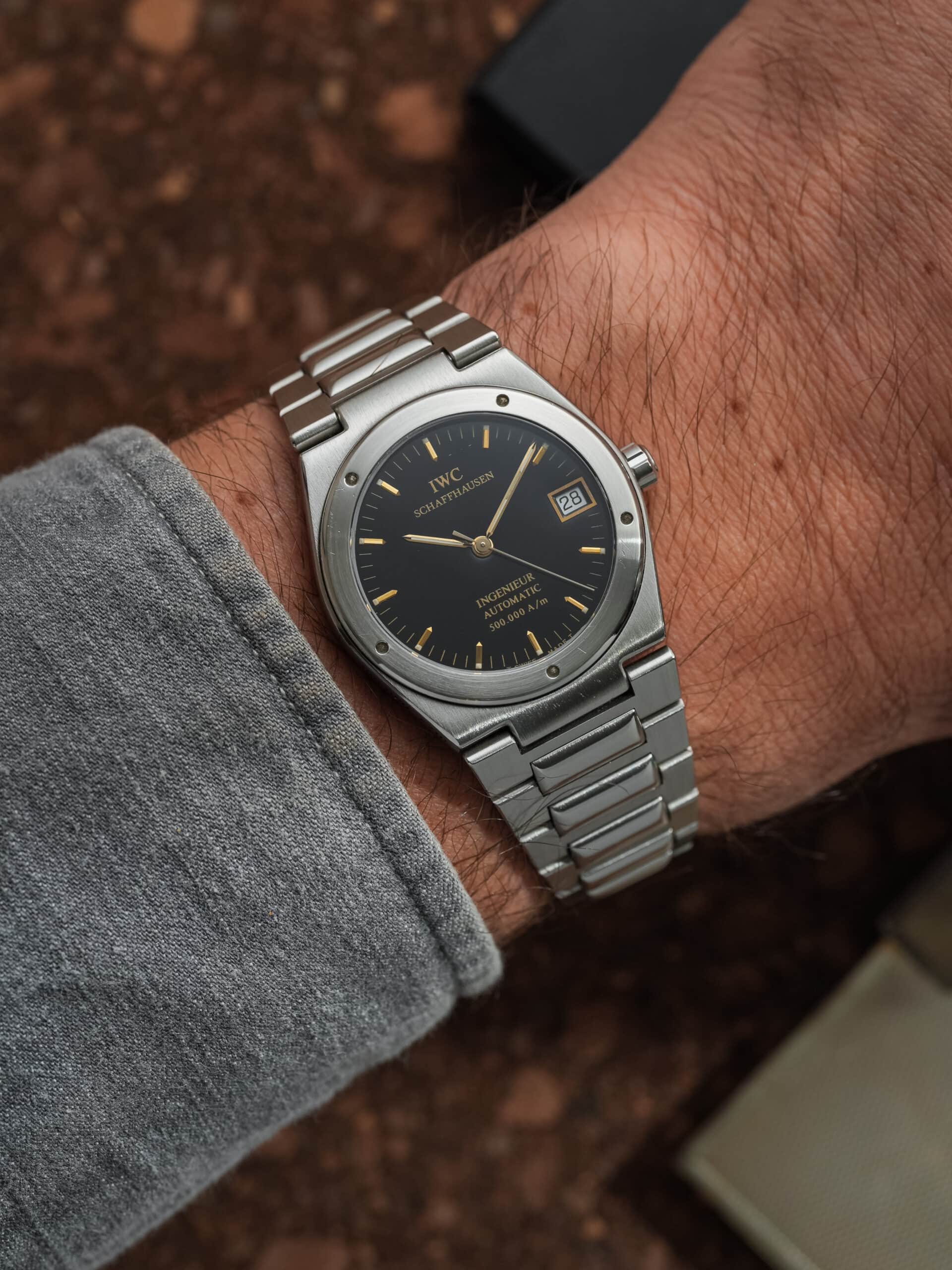
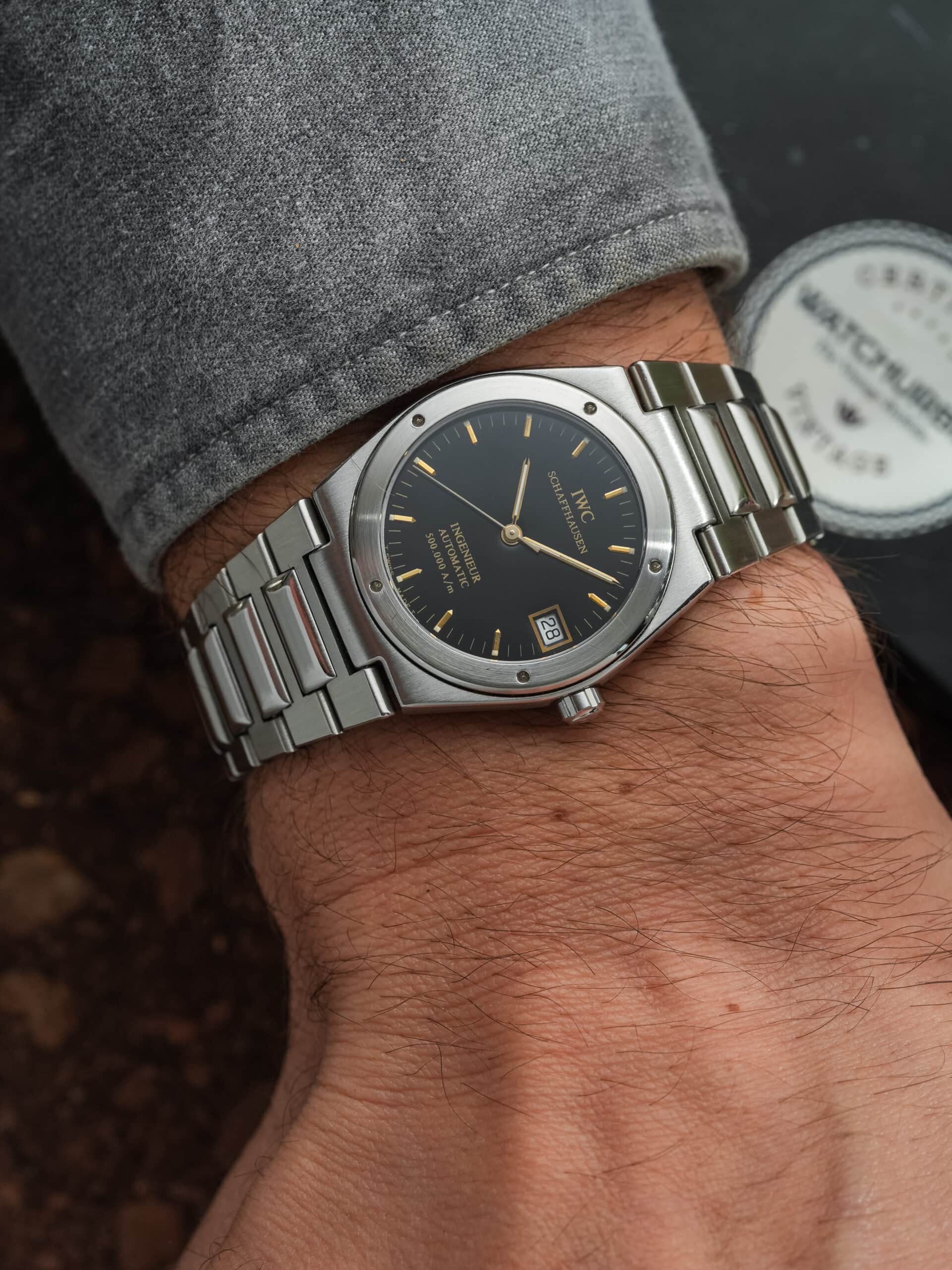
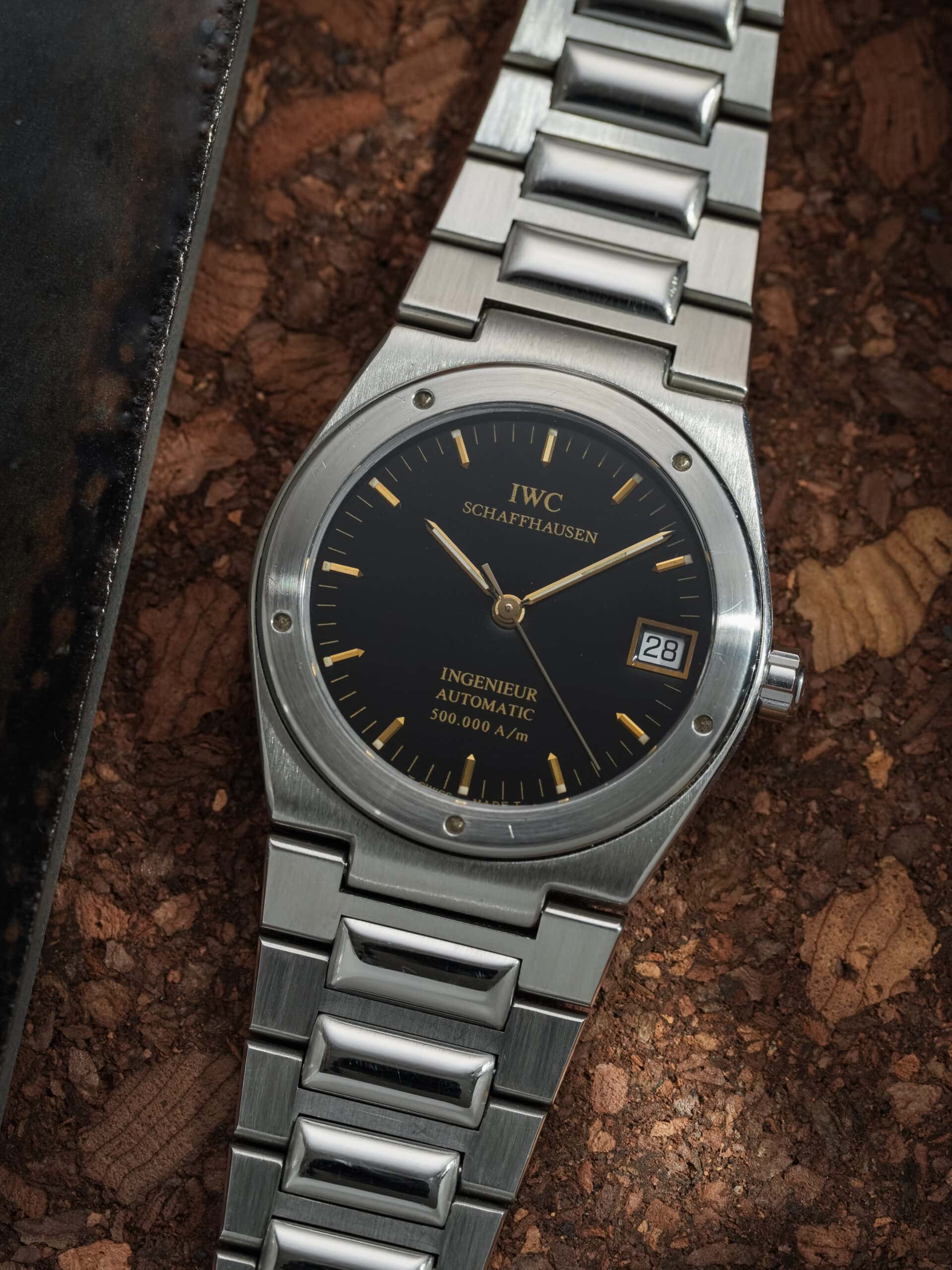
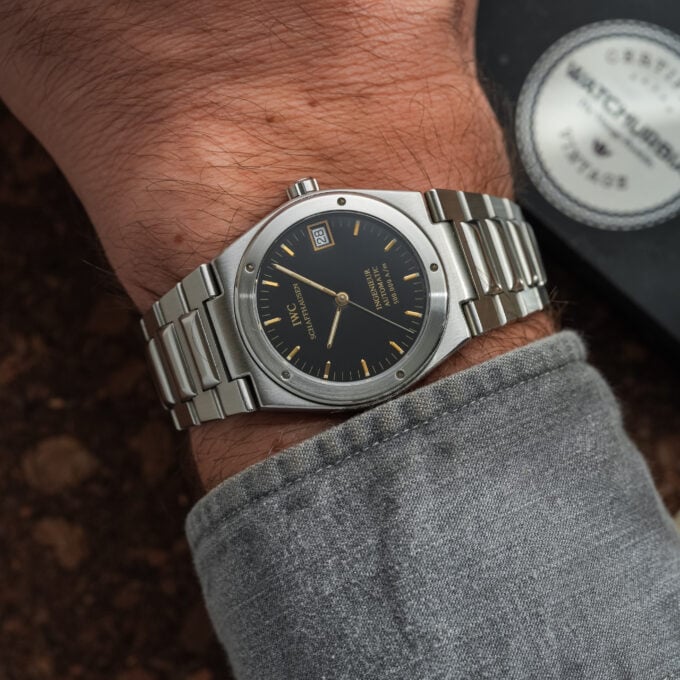
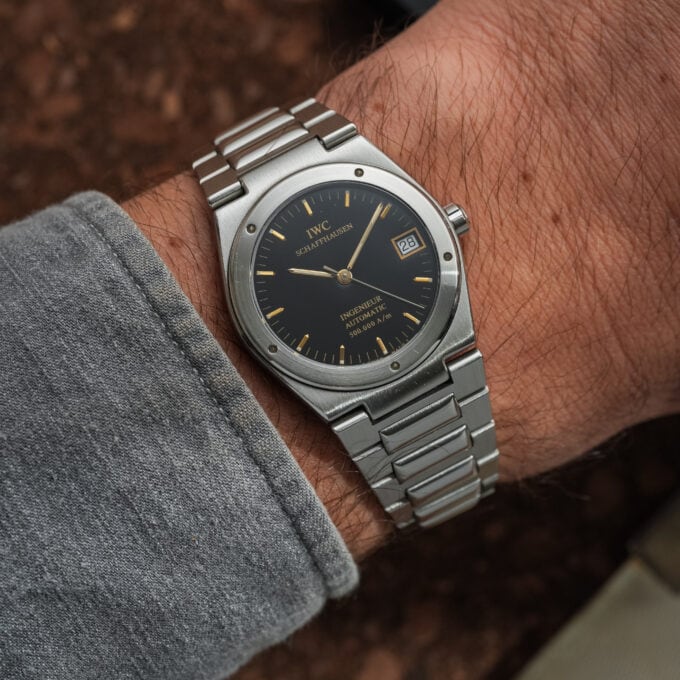
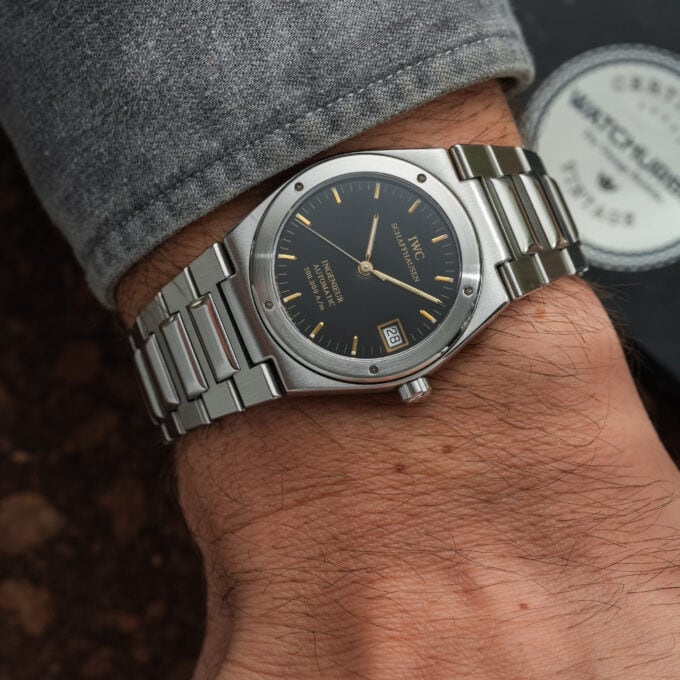
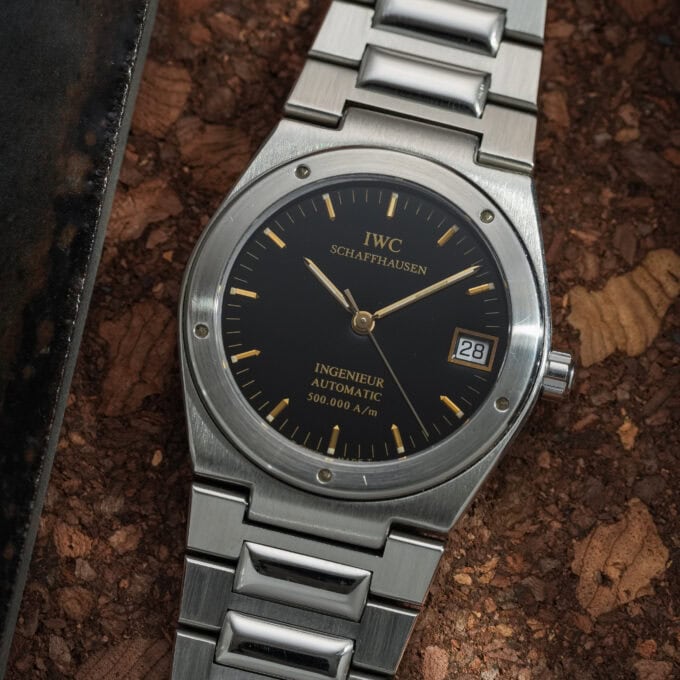
IWC Ingenieur 3508 – 500,000 A/m – Glossy Black Tritium Dial
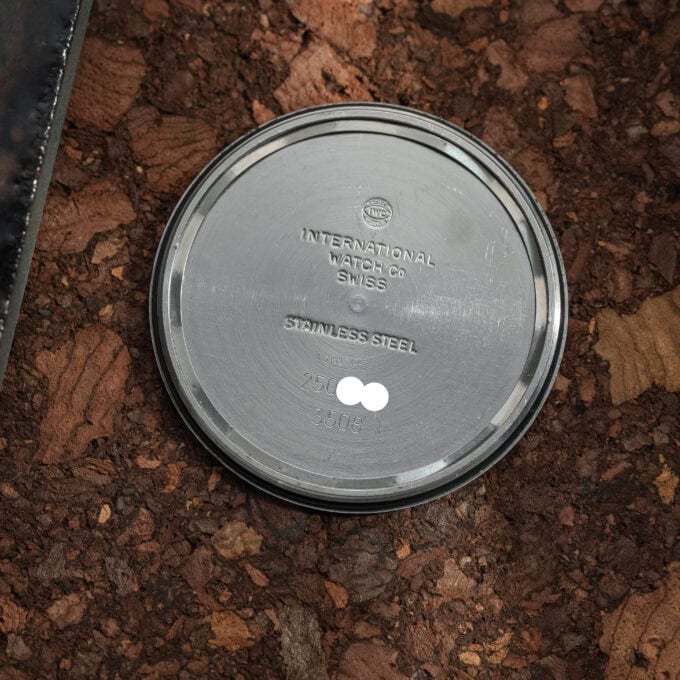
Year: ca. 1992, based on serial number 250XXXX
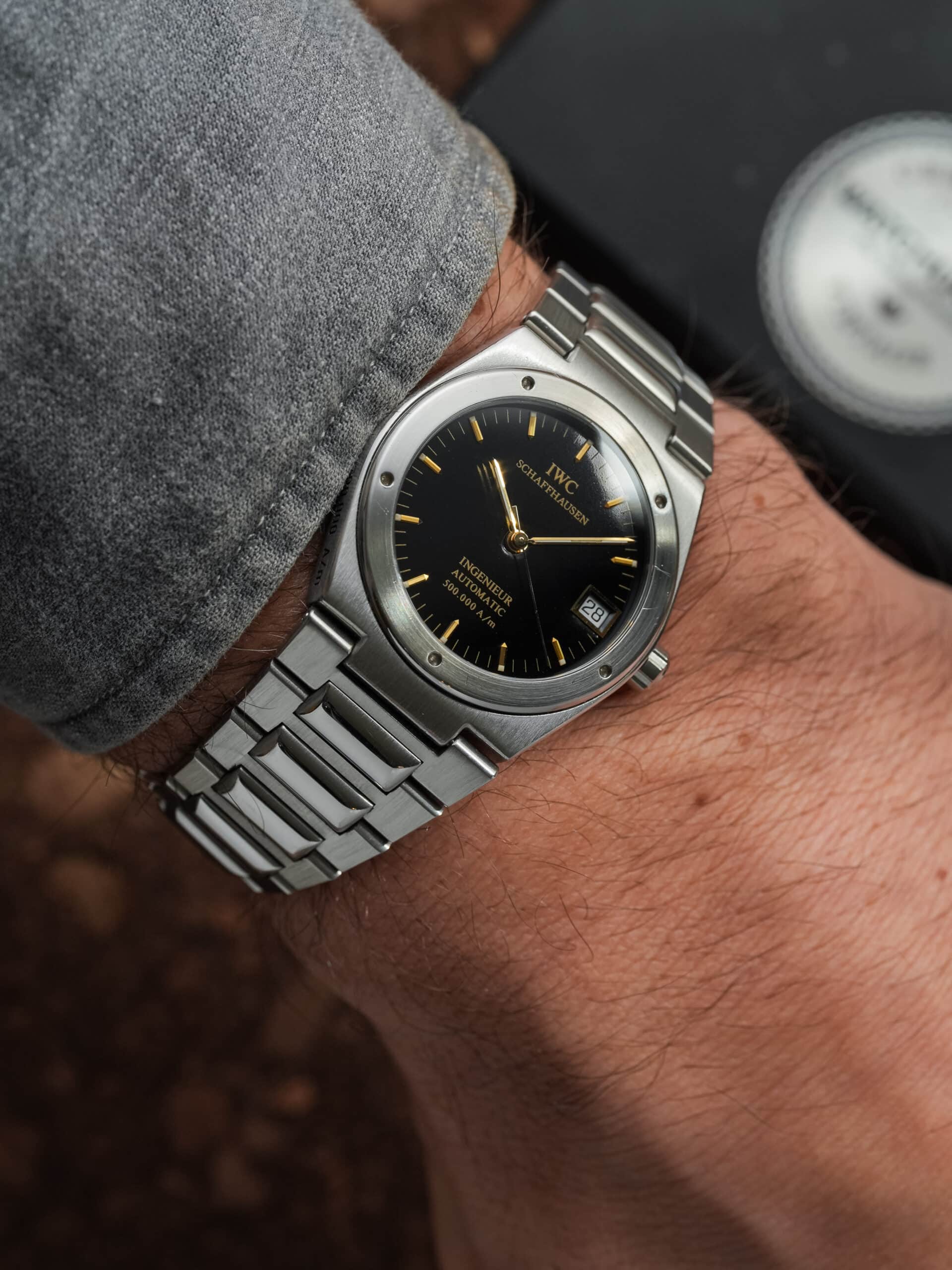
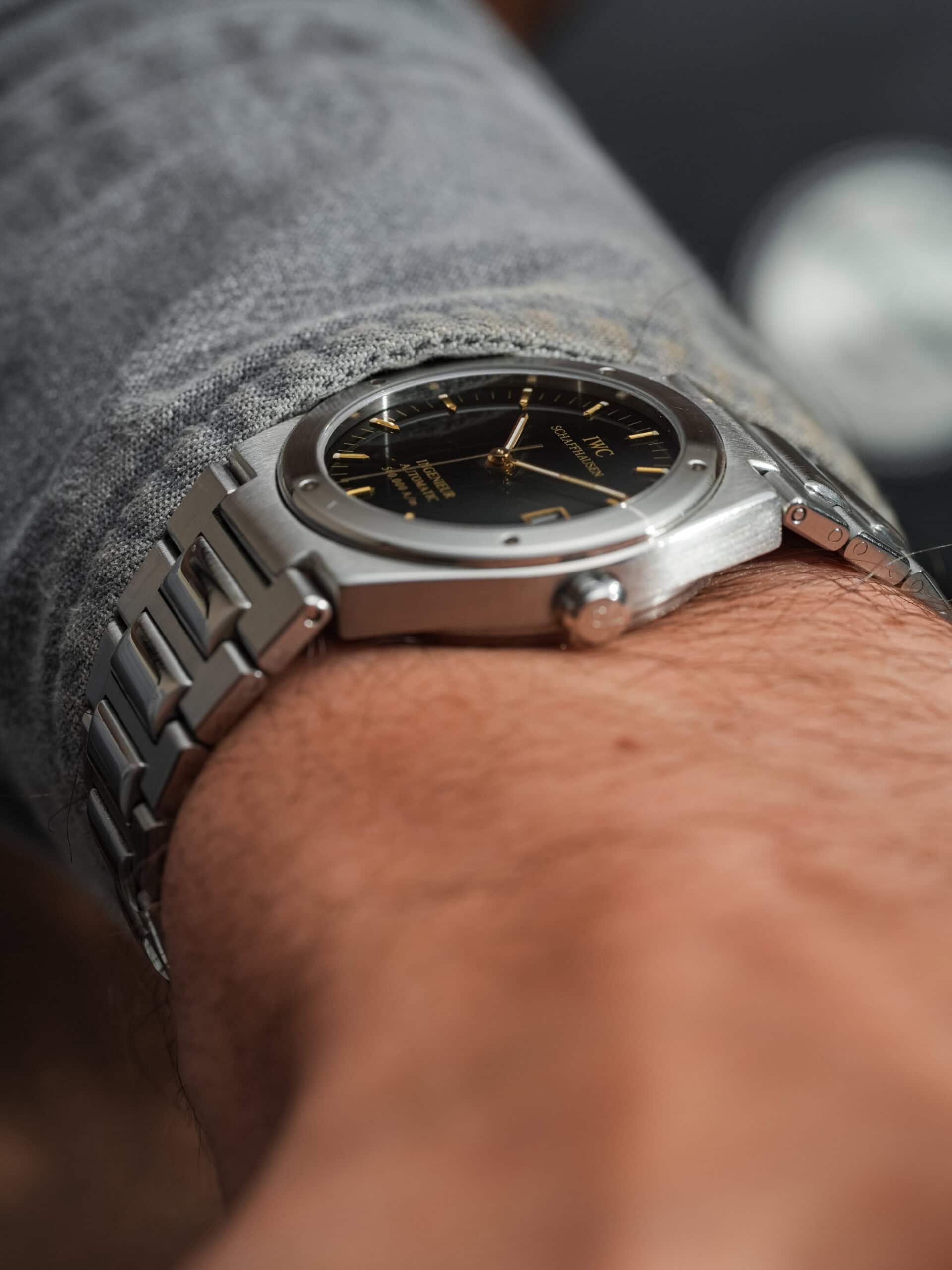
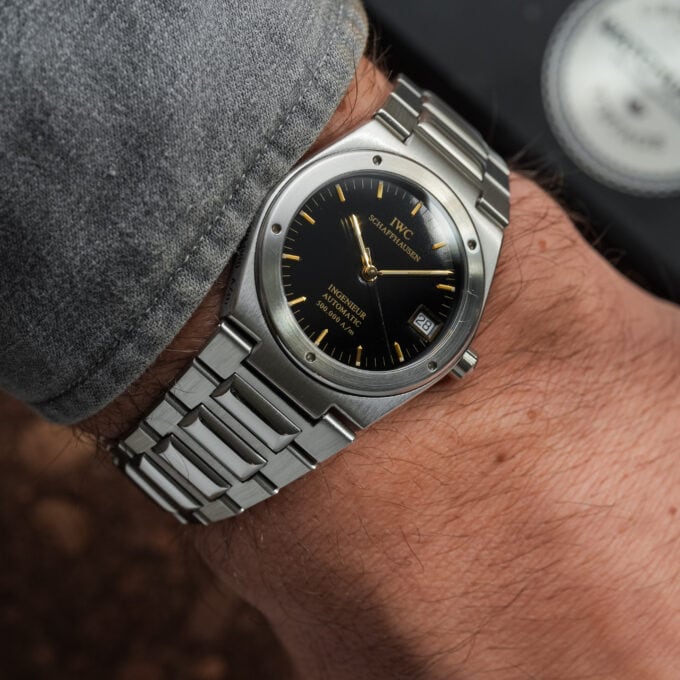
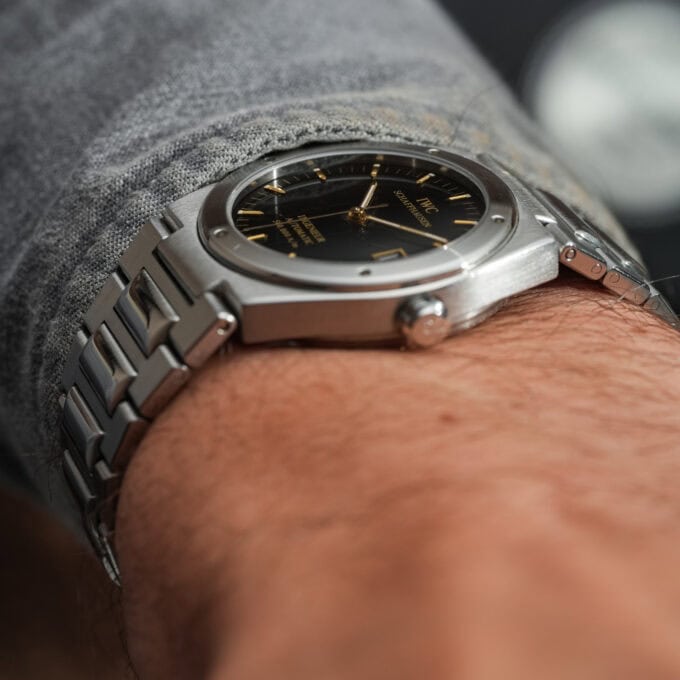
Diameter: 34 mm
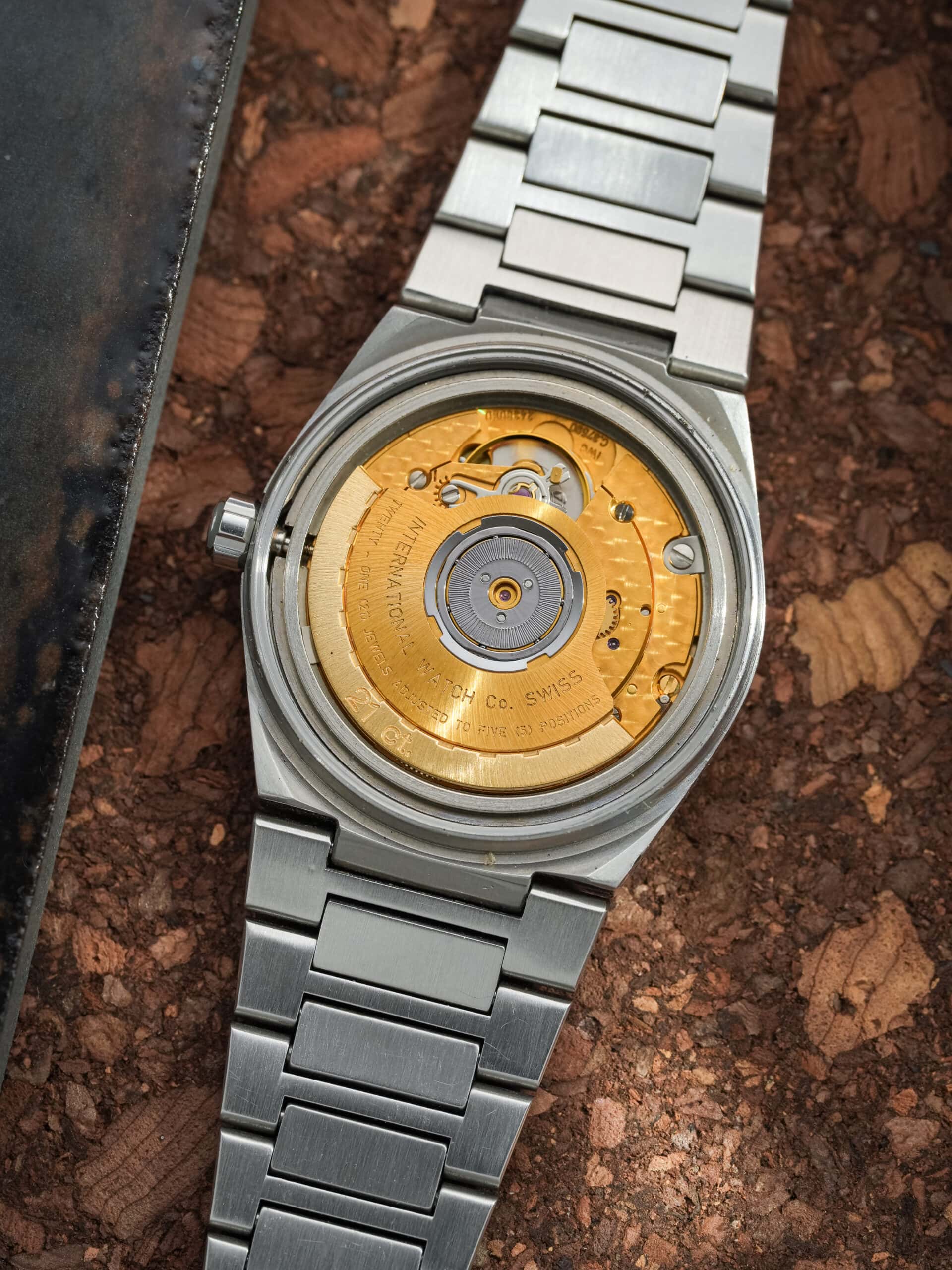
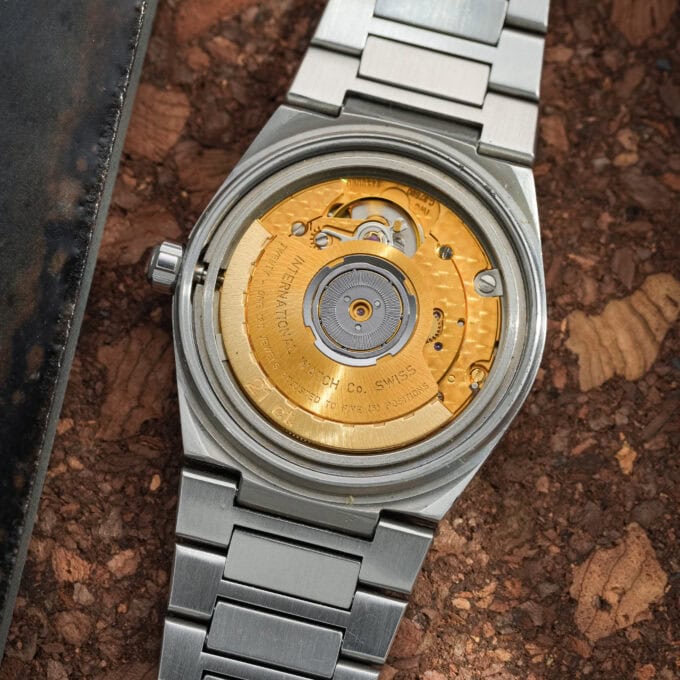
Movement: Automatic IWC Calibre 37590
Bracelet: Stainless steel, no stretch, fits wrists up to approximately 19 cm
Included
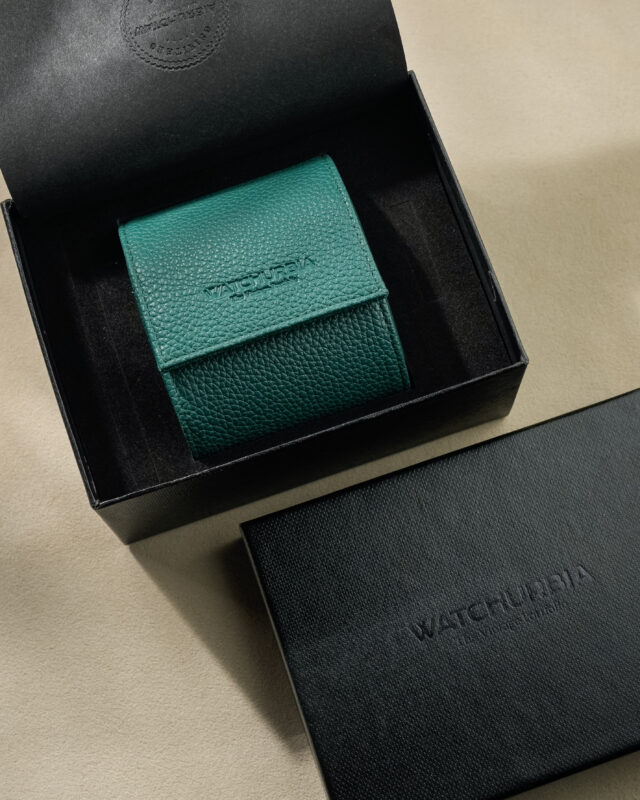
- High quality Watchurbia watch box
- In-house certificate of authenticity
- Extract of the international watch register
- Warranty certificate – 12 months**
Delivery
We always ship via insured Express.
In stock
Description
What are we looking at?
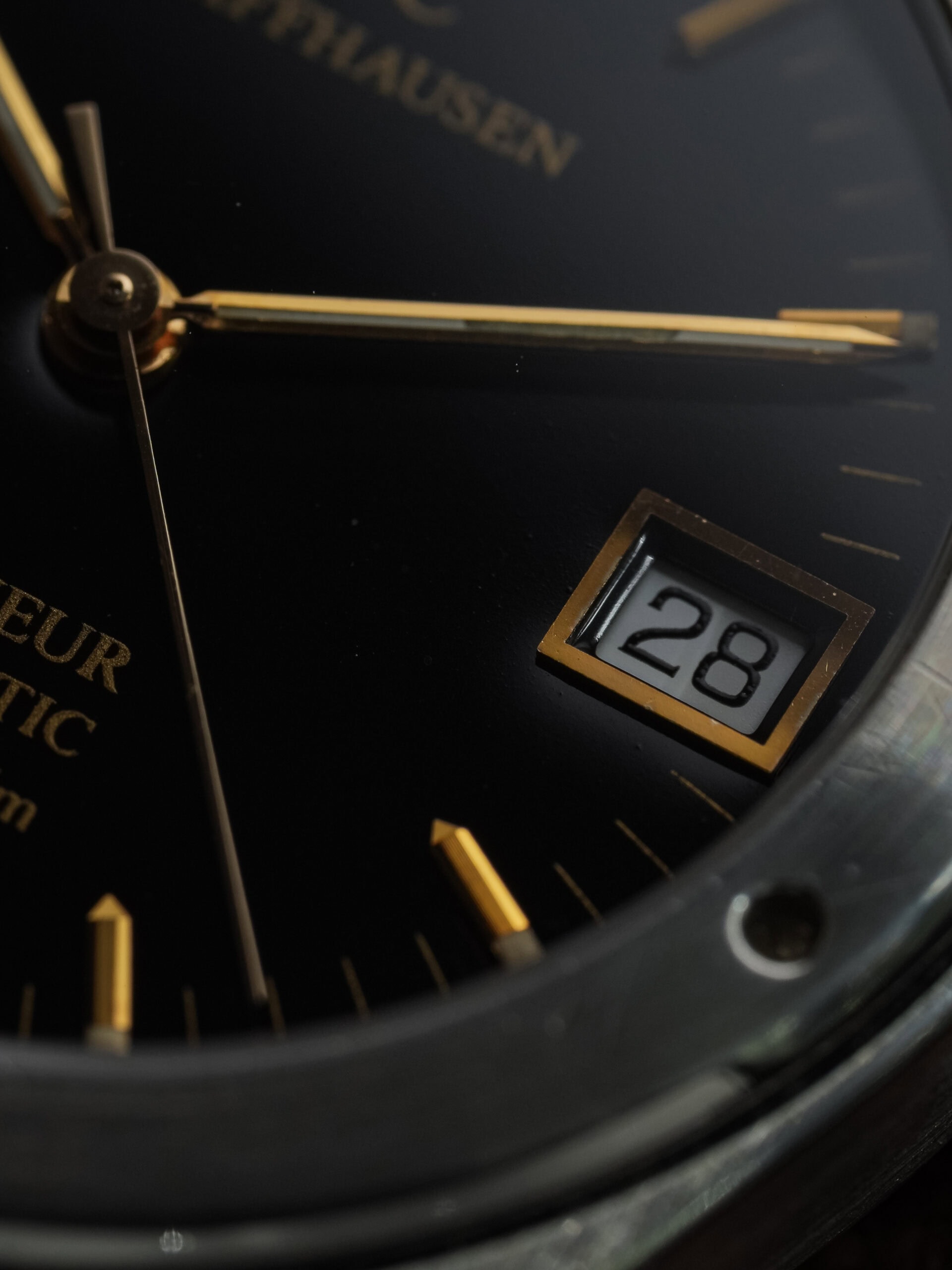
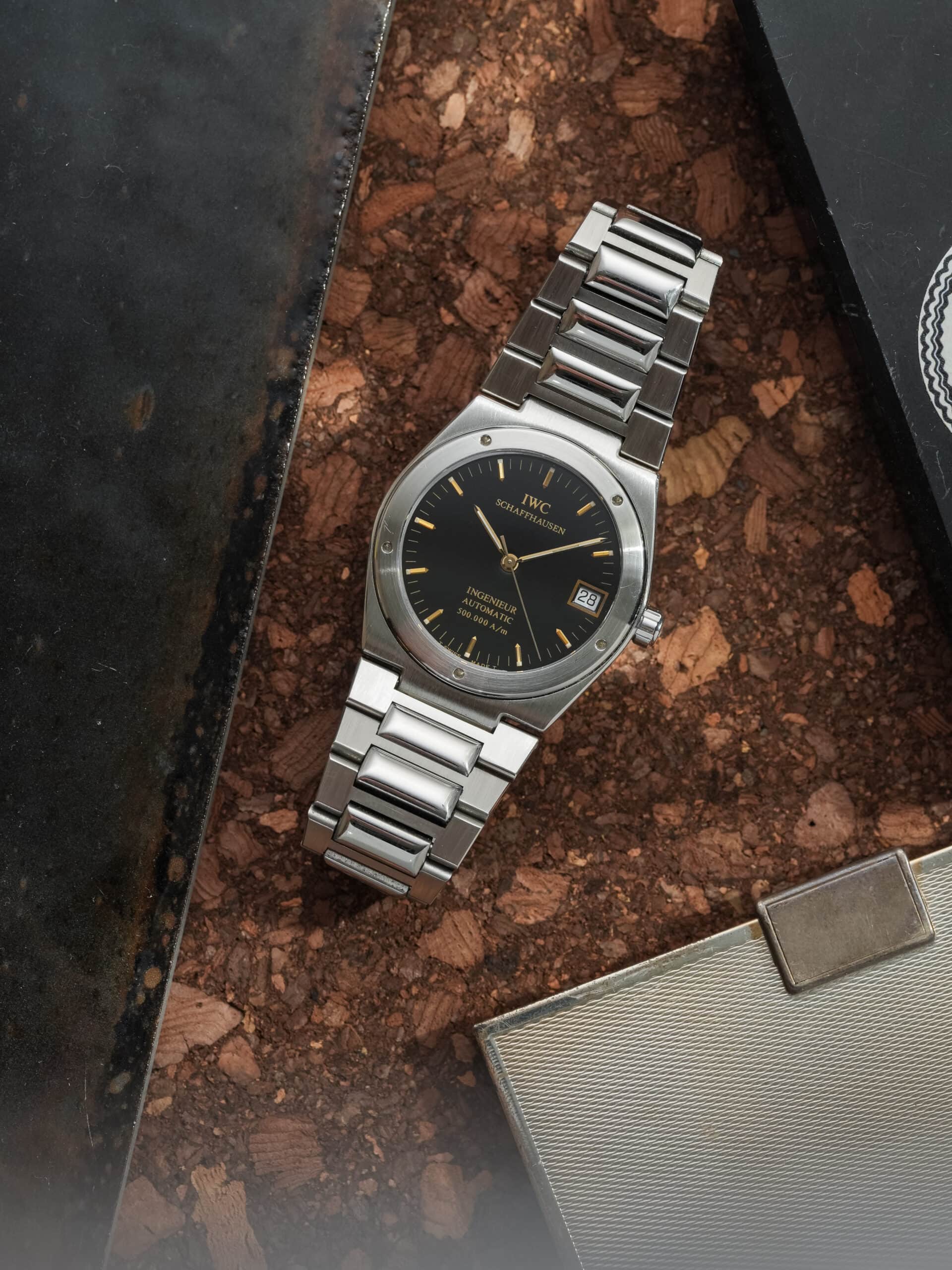
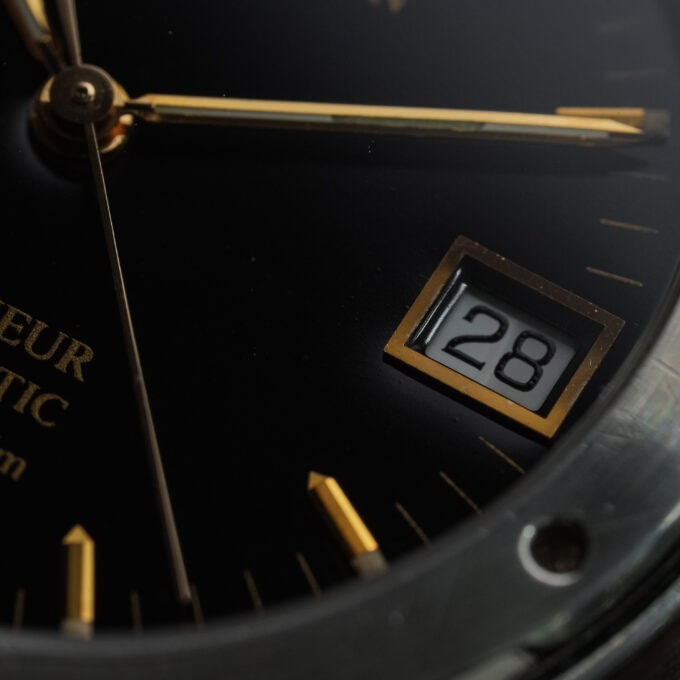
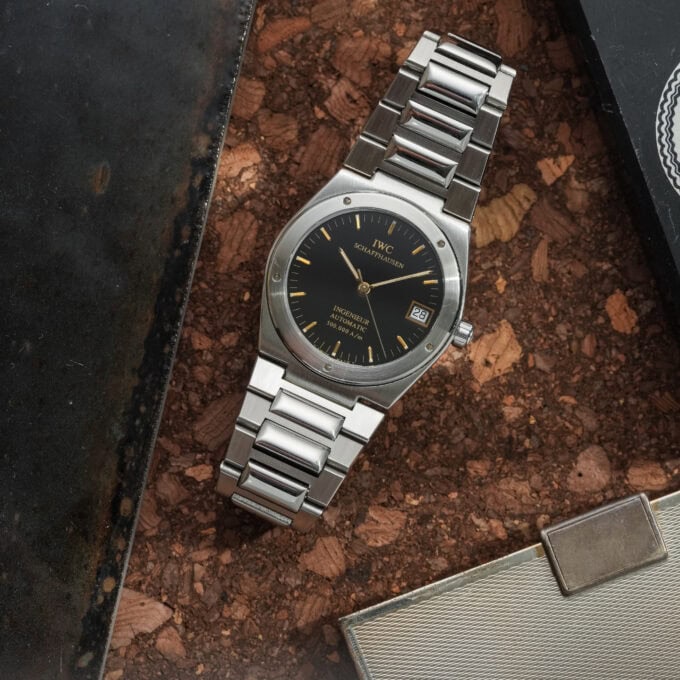
An IWC Ingenieur ref. 3508, better known as the “500,000 A/m”, with a glossy black tritium dial and steel bracelet. Serial number 250XXXX dates this example to approximately 1992.
The Ingenieur began in 1955 as a watch for people working around magnetic fields. Gérald Genta gave the family its distinctive steel sports-watch identity with the Ingenieur SL in 1976. The 3508, introduced in 1989, carried that engineering brief into a particularly interesting chapter.
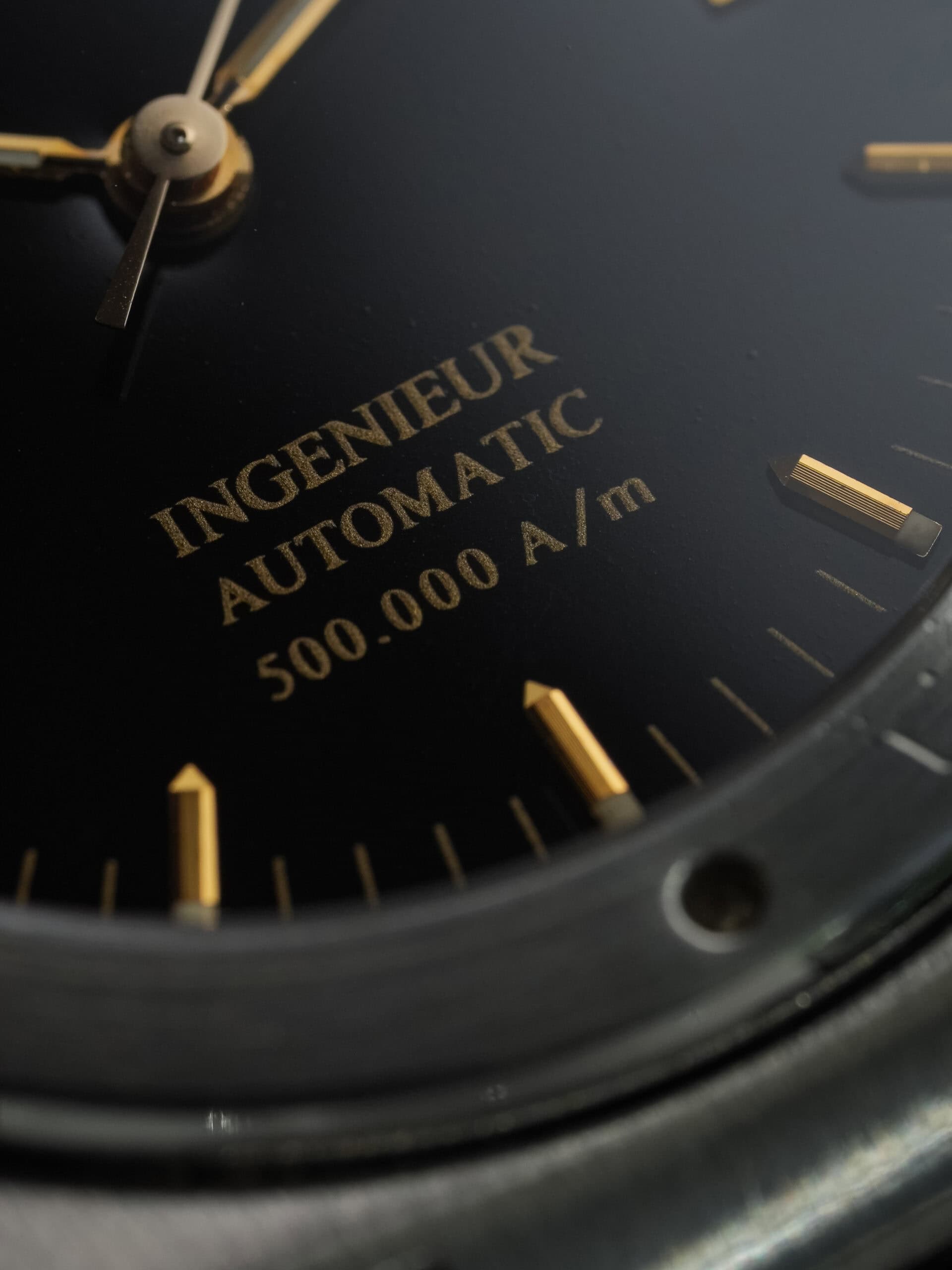
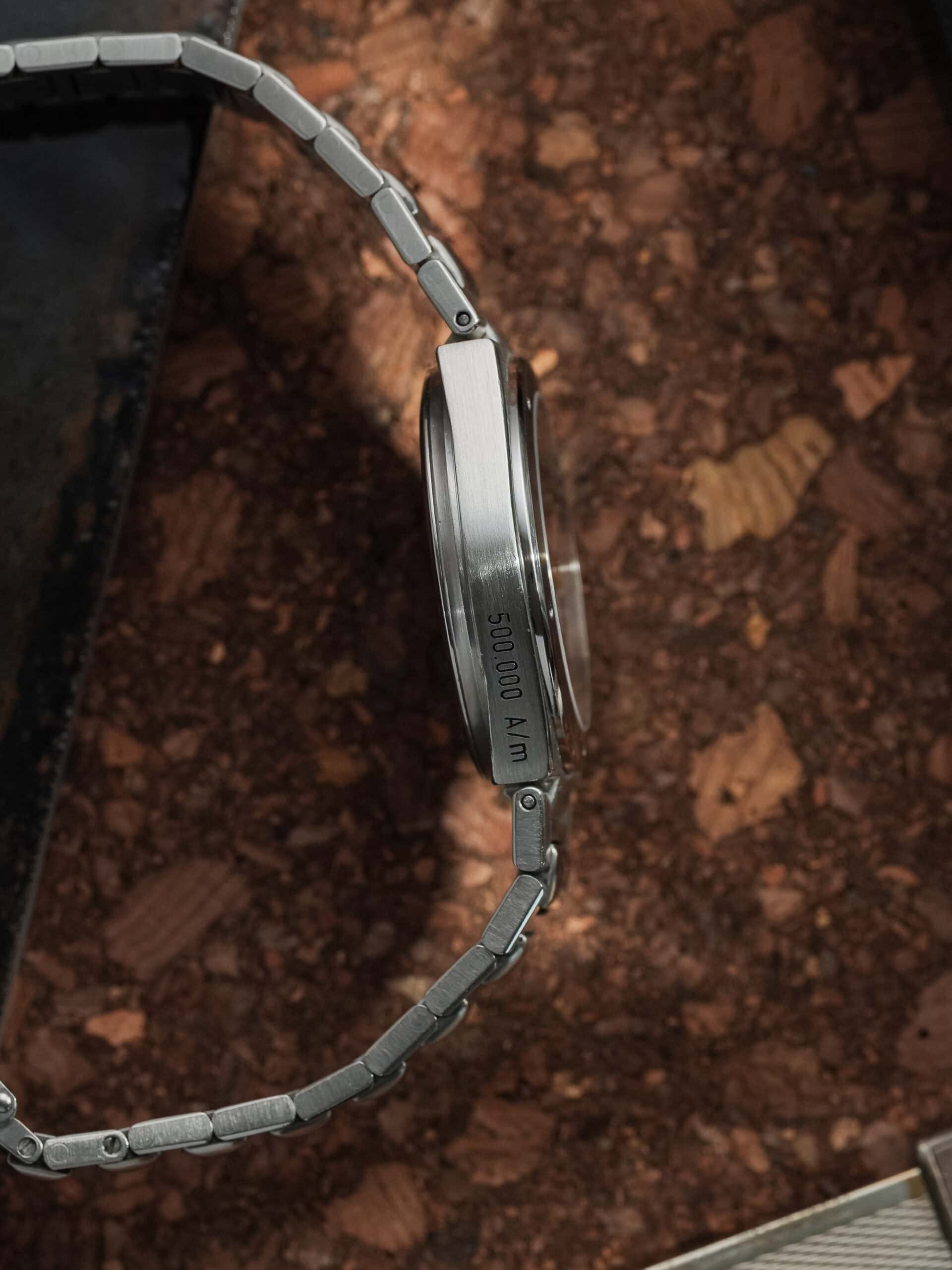
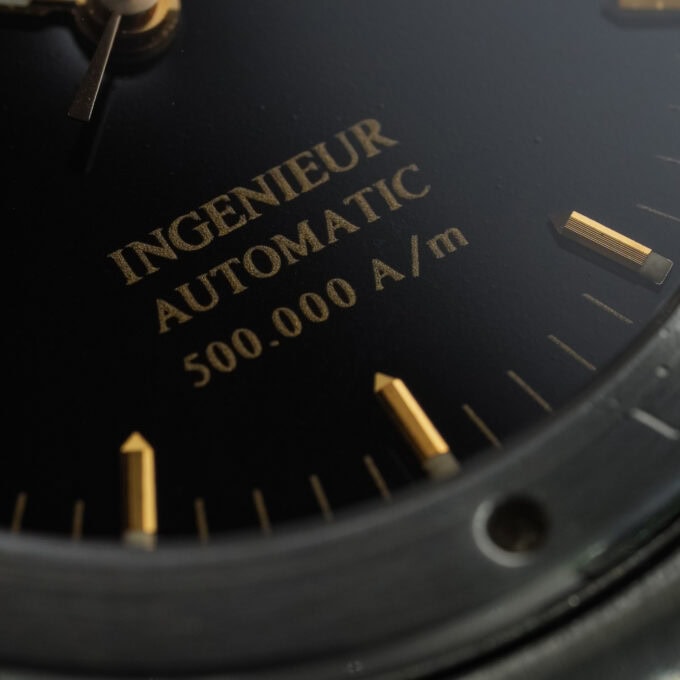
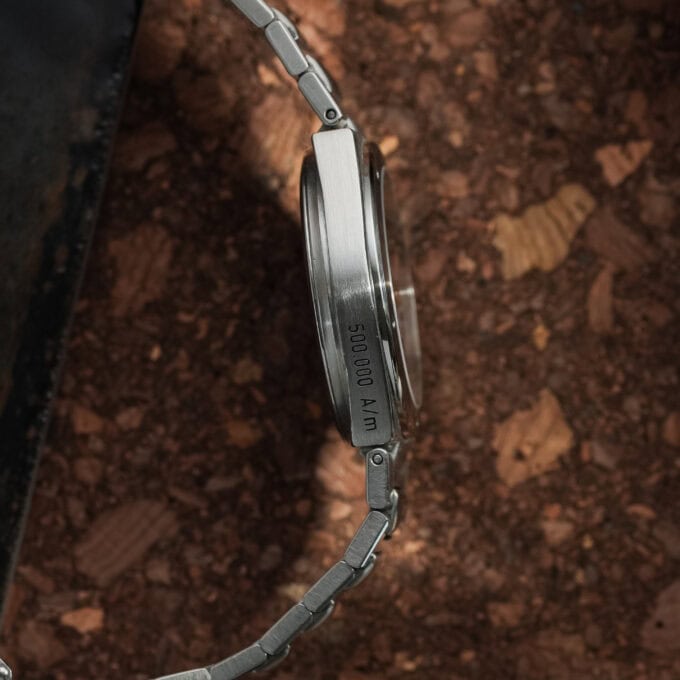
Its name refers to its rated magnetic resistance of 500,000 amperes per metre. IWC used a niobium-zirconium balance spring and other anti-magnetic components, making the traditional soft-iron inner shield unnecessary. IWC reports that the design withstood 3.7 million A/m during testing—considerably beyond the figure printed on the dial.
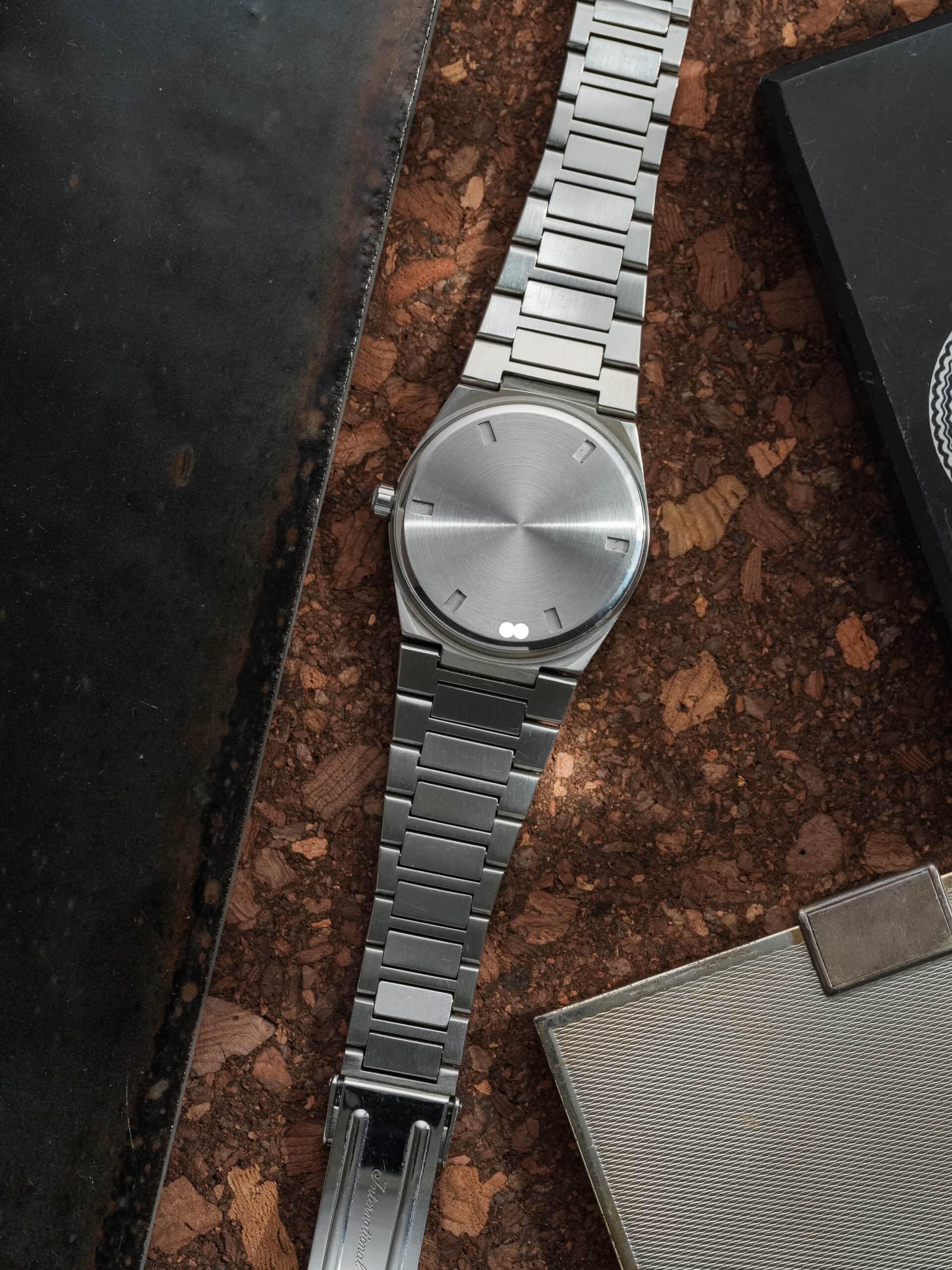
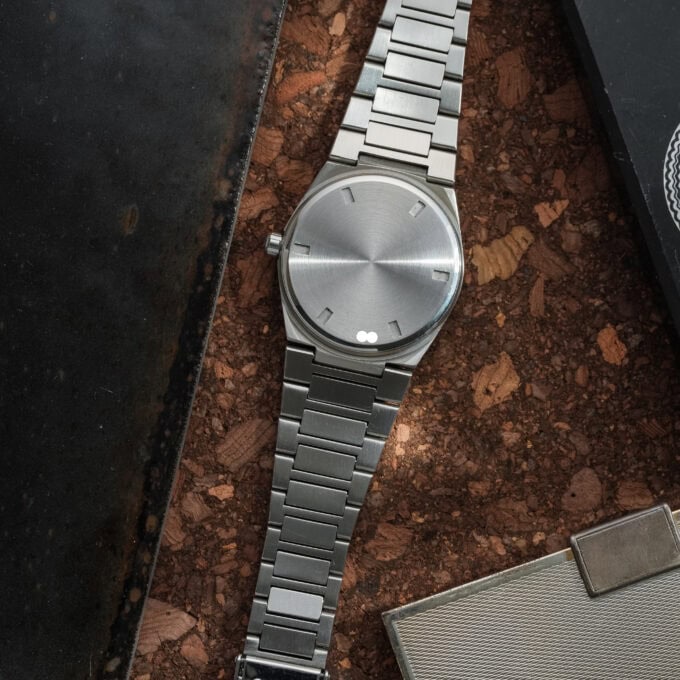
Inside is the automatic IWC Calibre 37590, complete with a solid 21-carat gold rotor. A lovely detail hidden behind the caseback—and rather fitting for a watch whose most interesting features aren’t immediately obvious
It is also a rare reference. The specialist Ingenieur archive records just 614 examples in stainless steel on steel bracelets, across the available dial colours. This glossy black version is a particularly handsome way to wear that bit of engineering history.
What do we need to know?
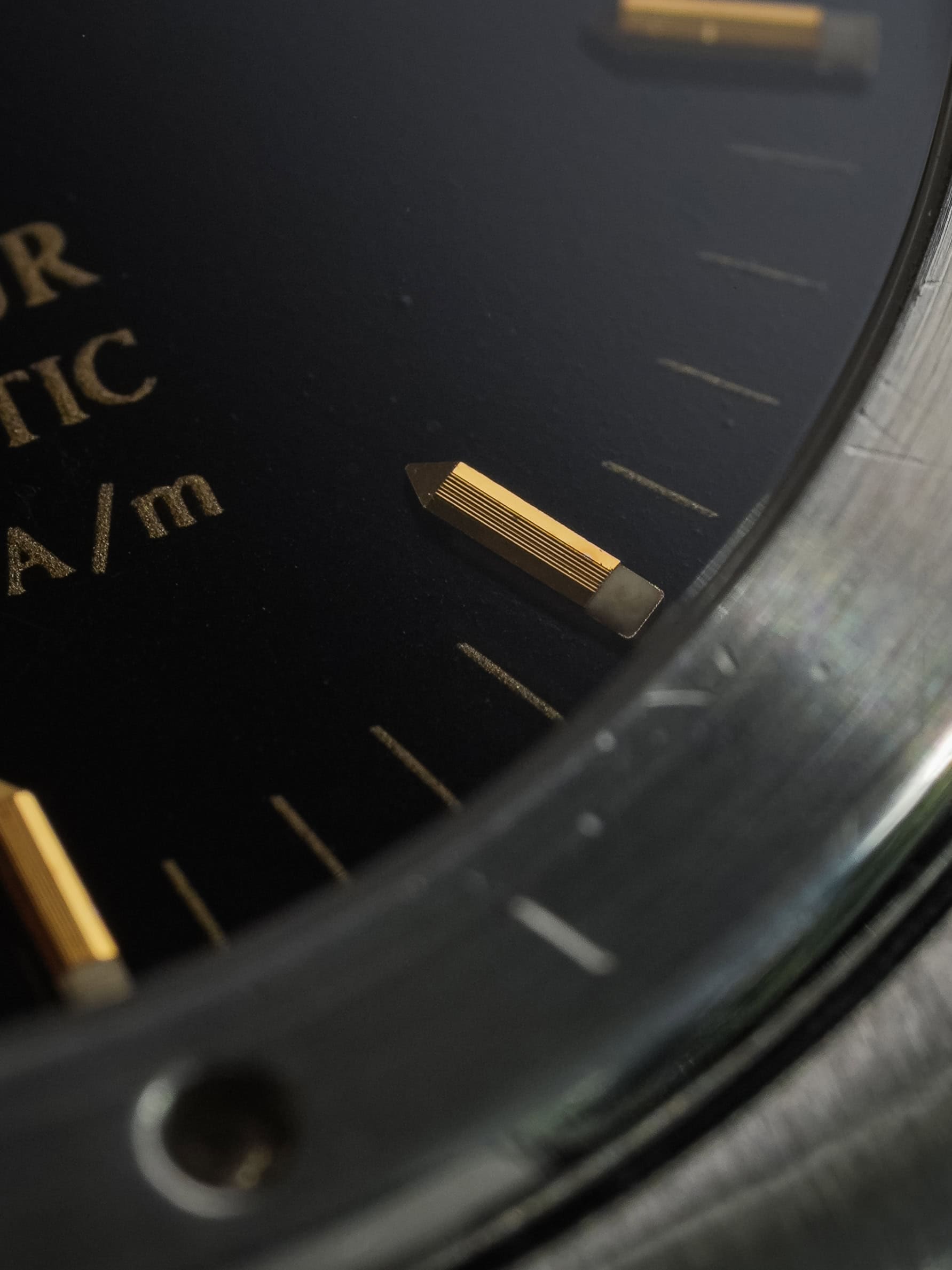
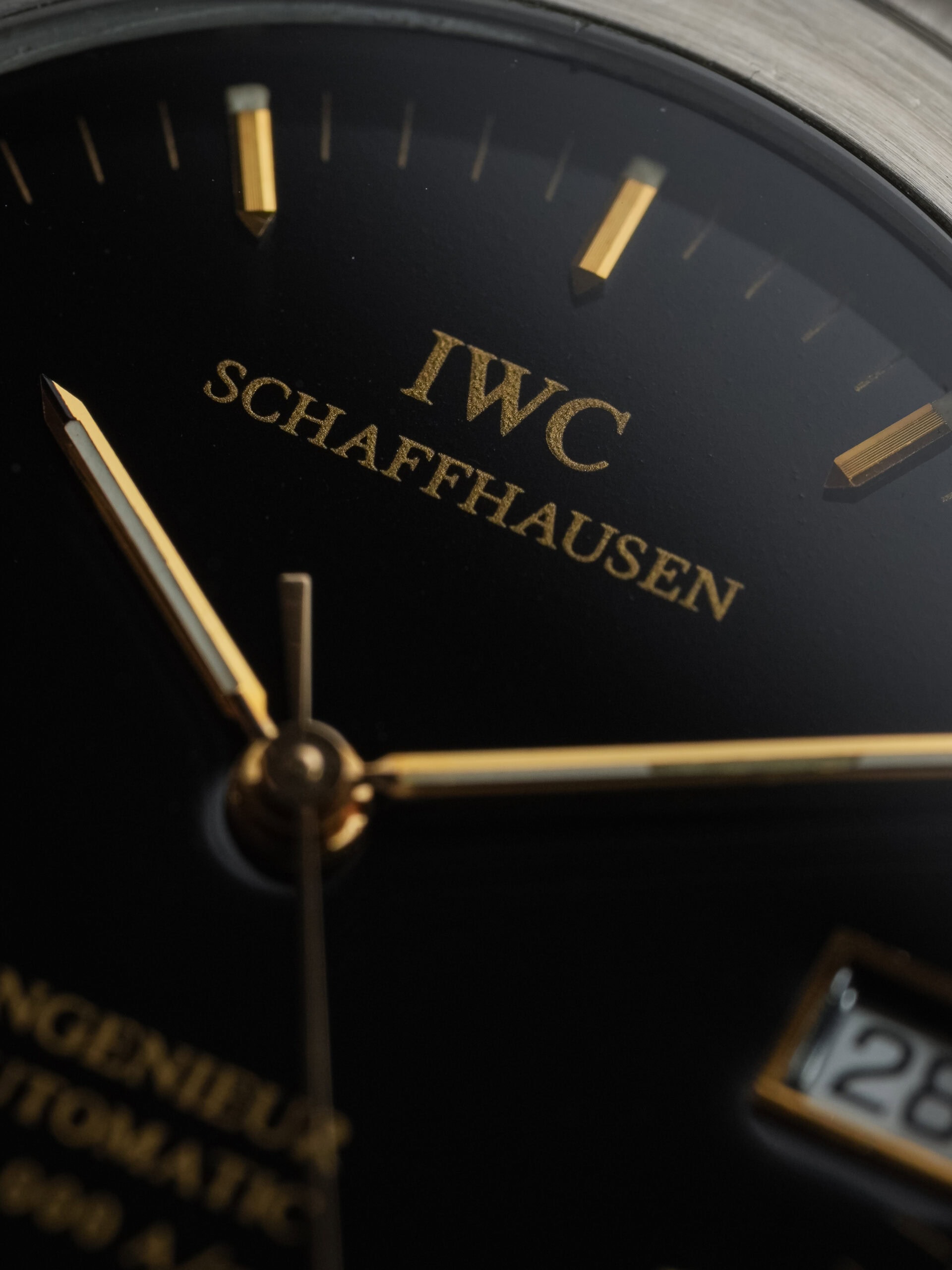
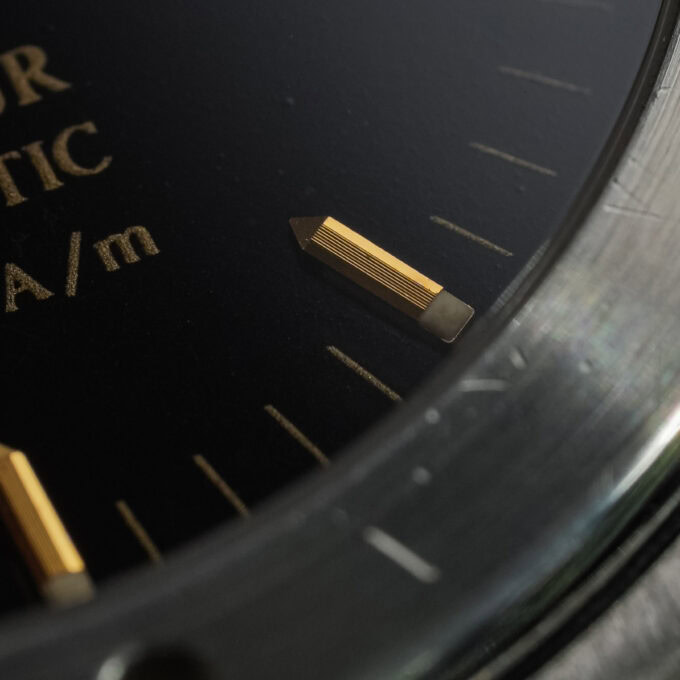
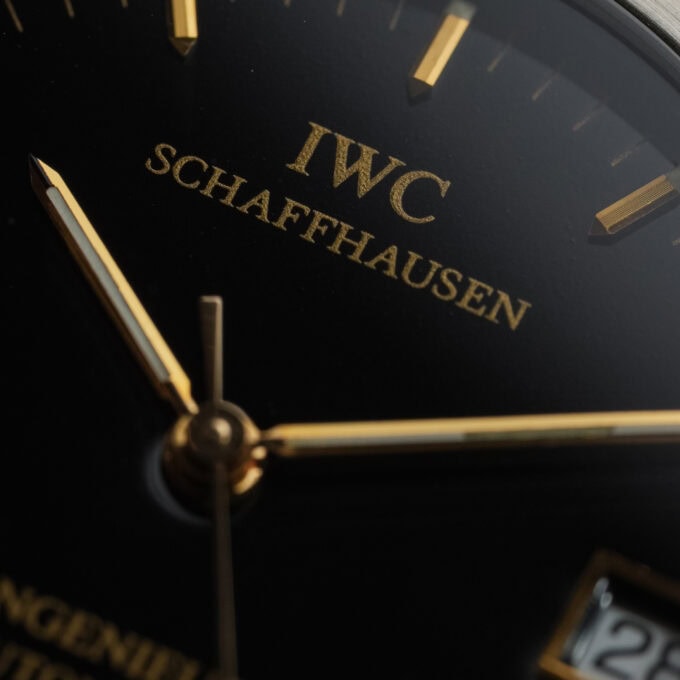
The black tritium dial is flawless. I especially love the hour markers: their finely ridged surfaces give them a texture that contrasts beautifully with the smooth gloss of the dial. It’s the sort of detail that rewards a closer look, even on a watch that seems quite restrained at first.
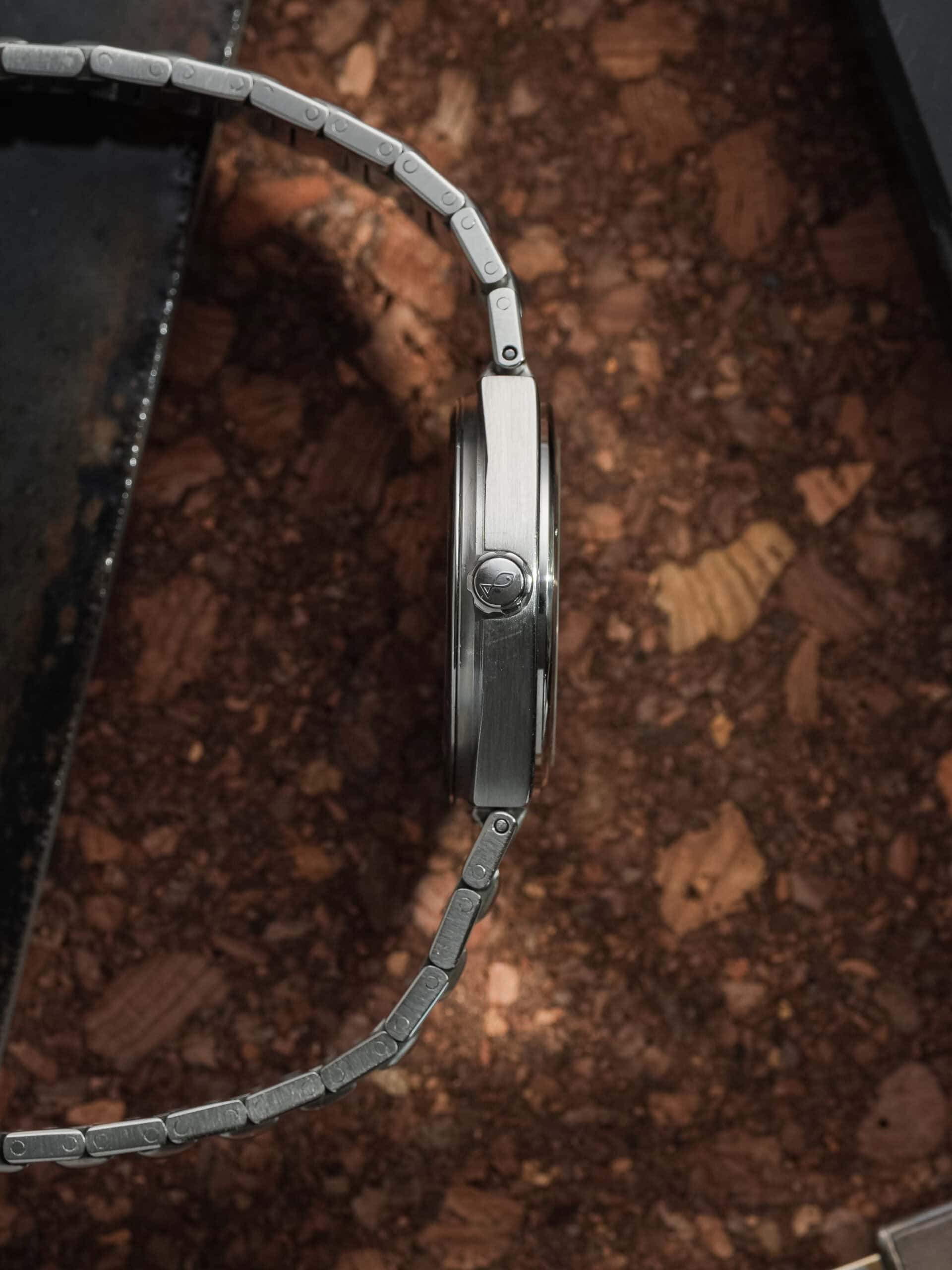
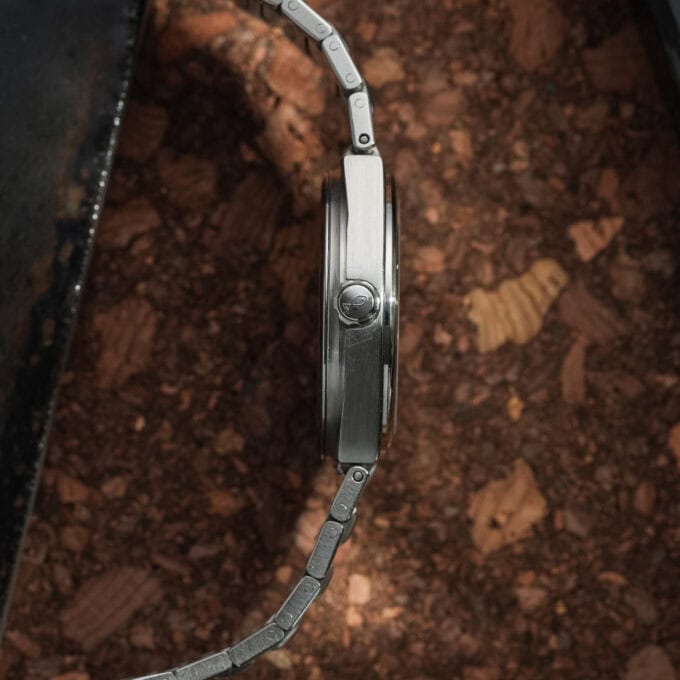
The case has received a light polish but remains very sharp and well defined. The steel bracelet has no stretch and fits wrists up to approximately 19 cm.
The minute hand has a small repaired section measuring approximately 2–3 mm. This is worth noting separately from the excellent condition of the dial.
The movement is running strongly, with recorded timegrapher readings of above 270° amplitude, 0.0 ms beat error and approximately +7 seconds per day. These are the measured readings at the time of testing.
A compact Ingenieur with a beautiful dial, thoughtful finishing and some remarkable engineering behind it. Most watches would have settled for putting “Automatic” on the dial. IWC apparently wanted to show its working.
Watchurbia Box


Notes
Related products